Digital Medicines Information gains momentum
09.02.26
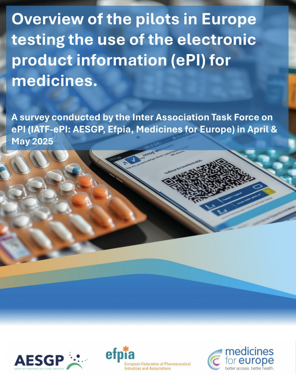
A new report from AESGP, EFPIA and Medicines for Europe provides a comprehensive overview of electronic Product Information (ePI) pilot projects across 31 countries.

AESGP, EFPIA and Medicines for Europe publish comprehensive overview of ePI pilot projects.
Brussels, February 9, 2026 – Europe is moving towards a digital future for medicines information. A new report from AESGP, EFPIA and Medicines for Europe provides a comprehensive overview of electronic Product Information (ePI) pilot projects across 31 countries. The findings reveal a landscape of innovation, collaboration, and cautious optimism as countries prepare to move from paper-based patient leaflets to digital solutions, aligned with the revision of the European pharmaceutical legislation.
Scope
Key highlights (at the time of the survey)
Notable approaches & results
A call for knowledge sharing and collaboration
This report showcases the progress made in implementing ePI across Europe and highlights the importance of sharing knowledge and best practices from successful pilots to support countries that have yet to launch ePI initiatives. Legal and regulatory barriers, technical infrastructure, and stakeholder engagement remain significant hurdles in several countries.
Insights from ongoing pilots demonstrate that ePI can be successfully integrated into healthcare systems and calls for continued collaboration among stakeholders to ensure a smooth, inclusive transition to ePI, supporting patient safety, addressing logistical challenges and environmental sustainability.
Next steps
This report is a detailed resource on ePI pilots in Europe, providing valuable insights for policymakers, healthcare professionals, and industry stakeholders. It highlights both the progress made and the challenges ahead, offering a factual basis for future discussions and decisions on the digital transformation of medicinal product information.
AESGP, EFPIA and Medicines for Europe reaffirm their commitment to working with all stakeholders to drive the successful rollout of ePI across Europe. The findings from this report will serve as a valuable resource in shaping the future of medicinal product information.